
Electric Vehicles
A quick guide to the differences between PHEV, BEV and Self-Charging Hybrid cars

Hybrids, BEV, EV, PHEV, Self-charging…
In an industry full of acronyms, it seems we couldn’t resist creating a few more. If you’re unsure of the difference then you’re in the right place.
This information may be useful in helping you decide which type of vehicle to choose next.

EV (Electric Vehicle) or BEV (Battery Electric Vehicle)
Cars with a battery-powered motor rather than a combustion engine. Larger overall battery capacities tend to equate to greater driving range, with many now competitive to a diesel or petrol tank-to-mile range.
The in-car technology provides information about how much charge is left in the battery and subsequently how much range the car has remaining. Information on where charging stations are to help you manage re-charging options for your journey is also provided. Charge times vary depending on the vehicles and the charging station you visit. At home it could take several hours to fully recharge your vehicle whilst a ‘rapid’ commercial charger might provide up to 80% charge in 18 minutes.
Example vehicles:
- Nissan Leaf
- Tesla Model Y
- Ford Mustang Mach-E
- Porsche Taycan

PHEV (Plug-in Hybrid Electric Vehicle)
Part electric and part petrol (or diesel). These vehicles can run, for short distances, as fully electric vehicles but will probably spend most of a journey using a traditional engine.
Typically the electric motor will activate at lower speeds, such as city centres, or in slow traffic scenarios such as traffic jams low-speed zones and car parks, for example, to reduce emissions.
These vehicles can be plugged-in to recharge or recharge during your journey using the petrol engine though this does affect fuel economy.
Example vehicles:
- Volvo XC40
- BMW 330E
- Mini Countryman PHEV
- Volkswagen Golf GTE

Self-Charging Hybrid
These vehicles are also capable of running on electric or petrol / diesel.
Self-Charging Hybrid cars usually have a petrol engine and a supporting electric motor. The combination of power is automatically assigned depending on the type of driving detected by the engine management system.
Self-Charging Hybrid cars cannot be plugged in and rely on the petrol engine or regenerative braking to recharge, hence the term ‘self-charging’. However, they are still largely regarded as more efficient than combustion engines.
Example vehicles:
- Toyota CH-R
- Lexus CT-200h
- Suzuki Swace
- Toyota Rav 4
Below is a table to highlight the potential savings that company car drivers can make with EVs and PHEVs when compared to a traditional diesel vehicle.
You can ask the team at Ogilvie Fleet to help you consider the overall effect of changing to one of these types of vehicle, and understand the differences in lower maintenance on electric vehicles, lower tax or fuel vs electric costs.
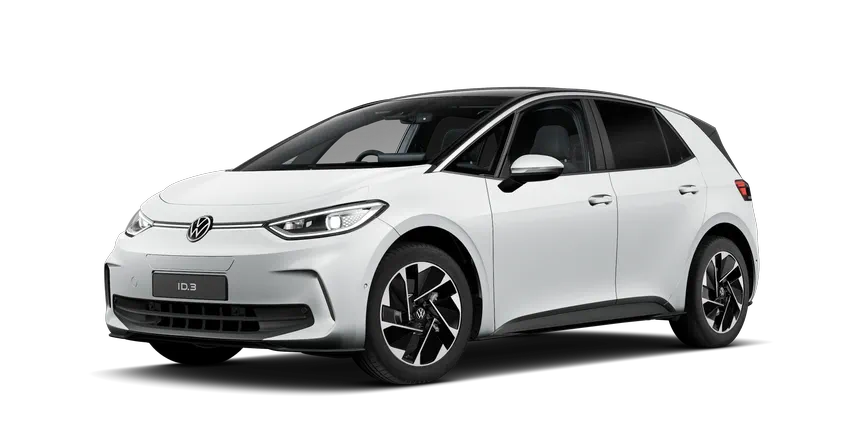 Volkswagen ID.3 Pro Volkswagen ID.3 Pro59kWh 204PS Auto | 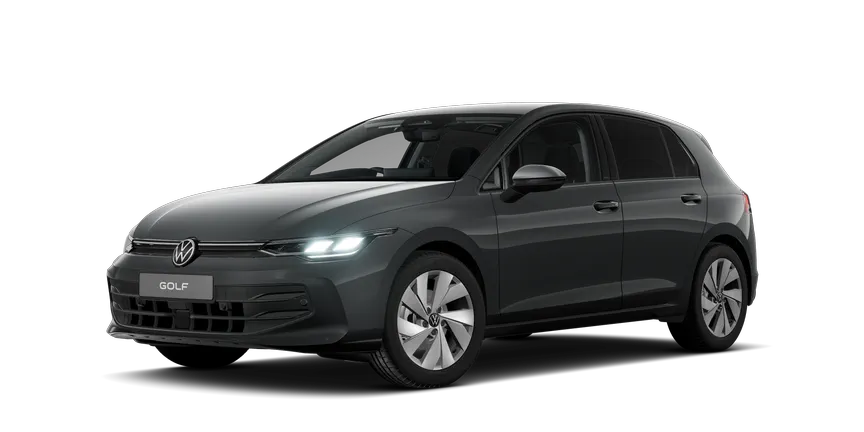 Volkswagen Golf Volkswagen Golf1.5 TSI eHybrid Match 204PS DSG | Volkswagen Golf 1.5 TSI Match 115PS | |
|---|---|---|---|
| EV | PHEV | Petrol | |
| P11D | £35,740 | £36,490 | £29,150 |
| CO2 | – | 25g/km | 122g/km |
| Tax Year | 26/27 | 26/27 | 26/27 |
| Range | 269 miles | 90 miles | n/a |
| BIK% | 4% | 7% | 30% |
| Tax at 20 | £285 | £508 | £1,718 |
| Tax at 40 | £571 | £1,017 | £3,437 |